
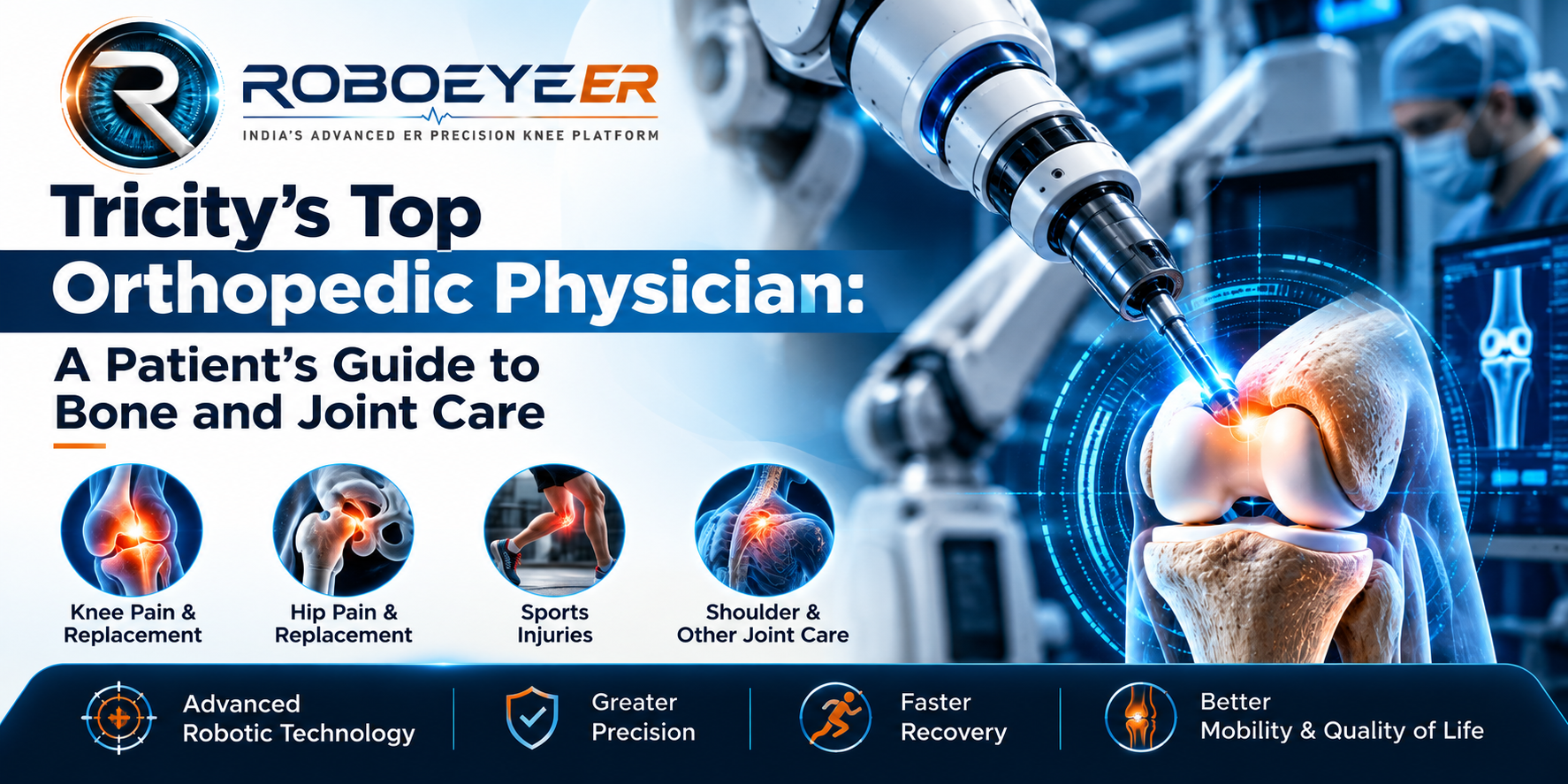
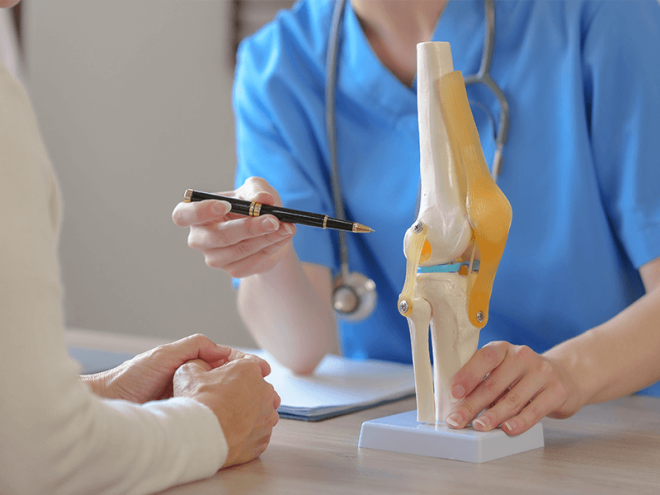

It has become increasingly difficult for people to go about their daily activities due to chronic knee pain. This is often a result of knee joint damage or arthritis. Knee damage or arthritis significantly affects your quality of life. This is why it is worth consulting an orthopaedic specialist if you have severe knee pain and/or joint damage. If you have severely damaged knees and are experiencing pain, you may benefit from a total knee replacement.
Many people also want to know about knee replacement without pain Chandigarh since they want the pain in their knees to be completely relieved. Total knee replacements are performed to remove knee pain that is caused by arthritis. However, it is important to know that no surgery, including total knee replacements, can completely remove all pain.
What Is Robotic Knee Replacement Surgery?
In this type of surgery, the surgeon plans and performs a knee replacement surgery using computer-based technology and robotic-based technology. The surgeon is completely in control of the surgery and takes the final decisions.
Robotic assistance means that the robot helps the surgeon throughout the procedure by providing additional information and guidance.
The appropriateness of a robotic surgery approach is based on an individual’s diagnosis, the level of joint damage, the individual’s overall health, and the surgeon’s preference.
What Is The Robotic Knee Replacement Cost In Chandigarh?
The Robotic Knee Replacement Cost Chandigarh can vary from hospital to hospital based on the technology and the equipment used, the medical needs of the patient, and the type of implant used. The cost quoted is for the entire procedure and does not include any other costs that the patient may incur during the treatment and recovery period.
Before comparing treatment packages, the patient should find out what is included in the quoted cost.
There are several factors that can affect the cost of a robotic knee replacement surgery. These include:
-
- Type of implant: The cost of the prosthesis may differ based on the design of the implant.
- Technology: Costs may differ based on the features of the robotic system and the planning requirements.
- The hospital: Cost may differ based on the location of the hospital, the facilities available, the type of room booked, the length of stay, and the type of nursing care offered.
- The surgeon: The professional fees may differ based on the experience and the complexity of the procedure.
- Preoperative Tests: These may include blood tests, x-rays, scans, medical consultations, and assessments by the anesthetist, and may be included in the package or charged separately.
- Rehabilitation and Follow-up: The overall cost of treatment may increase with the use of physiotherapy, prescription medication, assistive devices, and follow-up consultations.
- Medical Conditions and Surgical Complexity
Patients with medical conditions other than those listed may require diagnostic tests and/or medical optimization before they are fit for surgery. Patients may require complex care, which increases the overall length of stay and cost.
How to Get an Accurate Cost Estimate
Generally, patients are provided with a ballpark figure based on a few criteria. To have a more personalized estimate, contact the hospitals or orthopedic centers you are considering. The quote may include the robotic device, implants, anesthesia, hospital stay, medicines, tests, and initial physiotherapy.
The quote should include costs for treatment and rehabilitation as well as complication coverage, including a longer hospital stay and additional treatment.
Who May Need Robotic Knee Replacement?
Patients who may benefit from robotic knee replacement surgery typically have advanced osteoarthritis of the knee, with symptoms of pain on standing and/or walking and limitation in knee movement with inability to perform everyday tasks. Surgical treatment may be considered when knee pain affects the quality of life and is unresponsive to appropriate conservative treatment.
Because of infection concerns, some patients may want to know if they can get a knee replacement without pain Chandigarh.
Pain and loss of function of the knee joints is caused by the wearing out of the cartilage. This can happen because of injury or disease. Replacing the knee joint with an artificial joint can relieve the pain and restore the normal function of the joints.
Although, some knee discomfort after surgery is normal, and the recovery is a process of healing and rehabilitation. Pain level varies from patient to patient.
A good pain management plan involves a combination of:
- Appropriate anesthesia and pain medications
- Cold therapy
- Active and passive therapy
- Physiotherapy
- Regular follow up
The pain management plan is made to alleviate post surgical pain and restore the function of the joints, and enable the patient to perform their activities of daily living.
Before making a decision, patients should discuss their concerns regarding pain management, anesthesia, and surgery with their surgeon.
Successful knee replacement surgery reduces or eliminates pain and improves or restores joint function for patients with arthritis and other joint conditions.
Although, for certain patients, there may be no advantage of using robotics over traditional methods. The surgeon’s experience, proper patient selection, rehabilitation, and overall medical care will remain to be of importance.
What Happens Before Knee Replacement Surgery?
Orthopaedic surgeons review a patient’s symptoms and history, consider the activities and sports they participate in, and review their prior treatments and surgeries.
Assessments may include:
- Physical exam of the knee
- X-rays to evaluate joint damage and alignment
Blood tests and other preoperative investigations.
Review of existing medical conditions and medications.
Discussion on implant options, surgical risks and expected recovery.
Patients are advised to disclose their medical conditions, medications and allergies to the medical staff. Patients are also advised to enquire about the activities they are required to avoid prior to the surgery.
Recovery After Robotic Knee Replacement
Recovery after knee replacement surgery varies from person to person, and is dependent on the type of surgery, the individual’s general health and pain tolerance.
Early Recovery
The medical staff takes care to allow early movement of the patient, usually within the first 24-48 hours after the surgery. Adequate pain management and wound care is imperative during the early stages of recovery.
Physiotherapy and Strengthening
There are specific activities and movements that a patient is required to perform to regain leg and knee movement. This is usually done under the supervision of a physiotherapist.
Resumption of Daily Activities
There are various activities that a patient is allowed to perform based on the progress made, and the surgeons orders. Some patients are able to perform all their normal activities within a few weeks of surgery, while some may take several months.
It is important for patients to report to their surgeon or healthcare provider if they experience a fever after surgery, or have increasing redness and swelling of the wound, or have any other causes of discomfort. They should also report any breathing difficulties.
- Customised pain management and rehabilitation plan.
- Post-operative care and management of complication.
frequently Asked Questions
1. What is the robotic knee replacement cost in Chandigarh?
The cost varies according to the hospital, implant, robotic technology, surgeon’s fees, length of stay, and additional medical requirements. Contact the provider for a current, itemised quotation.
2. Is robotic knee replacement more expensive than conventional surgery?
Robotic-assisted surgery may cost more because of the technology and related resources involved. The actual difference depends on the hospital, implant, and treatment package.
3. Does robotic knee replacement guarantee better results?
No. Robotic technology can assist with planning and certain surgical steps, but it cannot guarantee a particular outcome. Patient selection, surgical expertise, and rehabilitation also influence results.
4. Is knee replacement completely pain-free?
No surgery can guarantee a completely pain-free experience. Knee replacement aims to reduce pain from damaged joints, while postoperative discomfort is managed with appropriate medication, rehabilitation, and follow-up.
5. How long does recovery take after robotic knee replacement?
Recovery differs from person to person. Many patients improve progressively over several weeks, while strength, mobility, and confidence may continue improving for months.
6. Who is a suitable candidate for robotic knee replacement?
Patients with significant knee joint damage and persistent symptoms despite appropriate non-surgical treatment may be candidates. A specialist determines whether robotic-assisted surgery is suitable after examination and imaging.
7. What should I ask before choosing a knee replacement package?
Ask what the package includes, which implant and robotic system will be used, whether additional charges may apply, how pain will be managed, and what rehabilitation and follow-up services are available.
NAP: COJRI Contact Information
Name: Chandigarh Orthopaedics & Joint Replacement Institute (COJRI)
Primary Centre: Max Hospital, Phase 6, SAS Nagar, Mohali, Punjab
Chandigarh Clinic: Singla Clinics, House No. 3, Sector 19A, Chandigarh, 160019
Panchkula Clinic: House No. 222, Sector 4, Panchkula, Haryana 134112
Dr. Sandeep Gupta: +91 98159 33514
Dr. Jatinder Singla: +91 84272 70319
Email: info@cojri.com
Connect With COJRI
Connect with COJRI for more education on hip and knee replacements, robotic joint surgeries and other specialties in orthopaedic care.
- LinkedIn: Dr. Sandeep Gupta on LinkedIn
- Email: info@cojri.com
- Appointments: +91 98159 33514 / +91 84272 70319
- GMB: https://share.google/26IbbT8qszb0M1tUa
If you are searching for hip replacement costs in Chandigarh, then click here

