

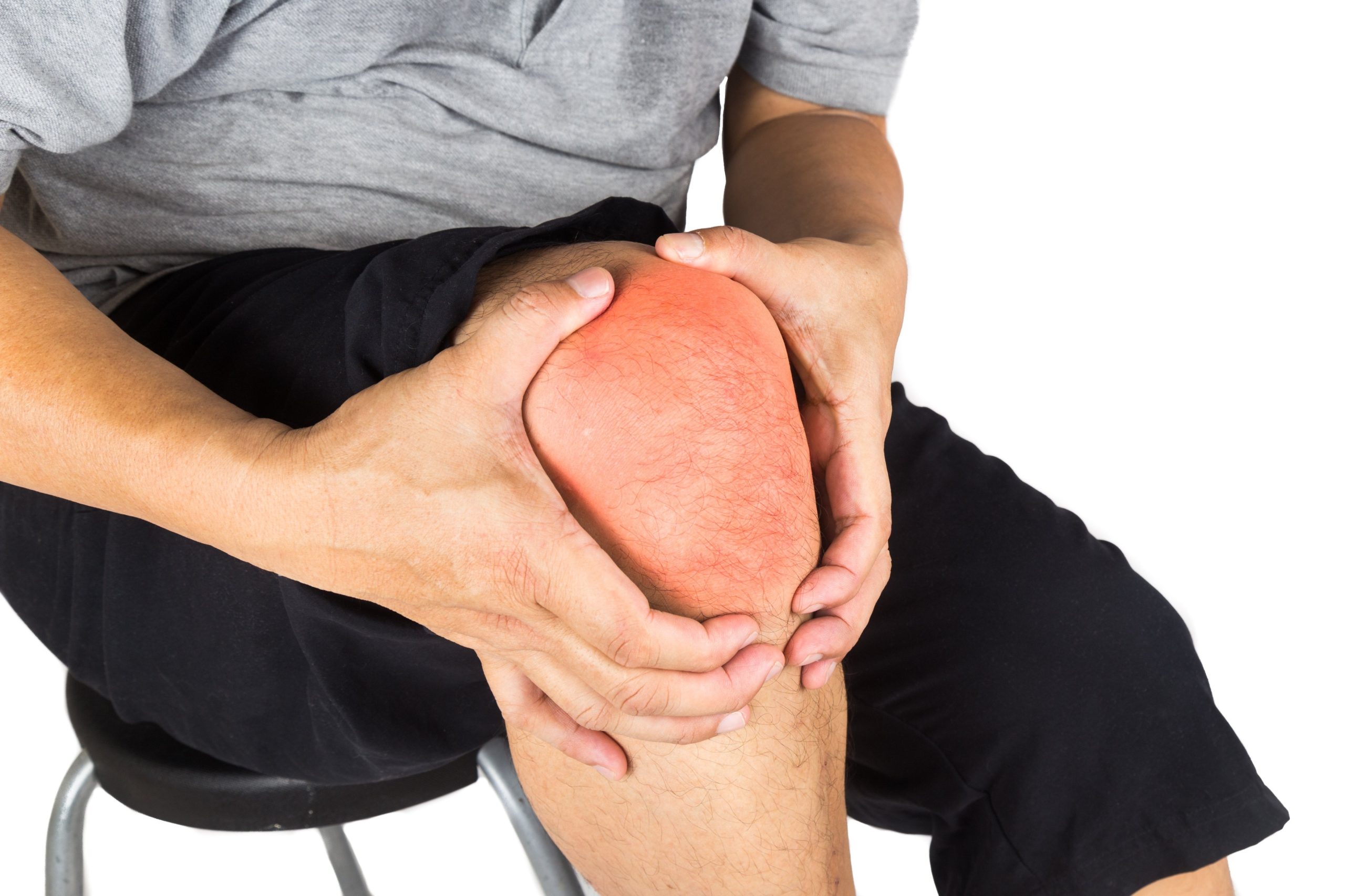
Bone and joint problems can affect almost every part of daily life. A painful knee can make climbing stairs difficult, a fracture can temporarily limit movement, and persistent shoulder stiffness can make simple activities such as dressing or reaching overhead uncomfortable.
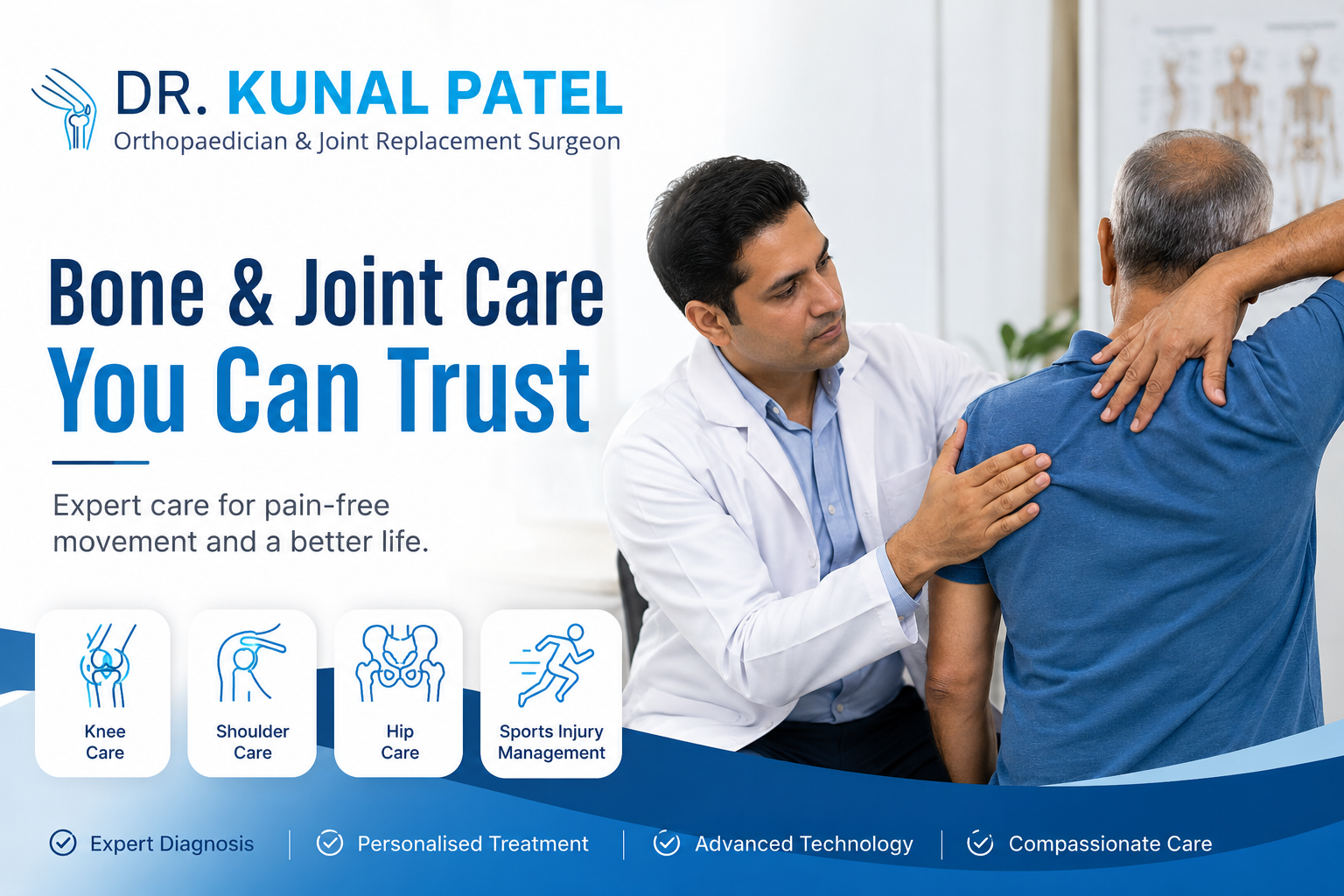
When these symptoms continue or gradually worsen, consulting an experienced orthopaedic professional can help identify the underlying problem and determine the right course of care. For residents looking for a Bone specialist in Borivali, Dr. Kunal Patel provides orthopaedic and joint care at Punit Hospital, Borivali West, Mumbai.
With experience in managing conditions affecting bones, joints and the musculoskeletal system, an orthopaedic consultation can help patients understand whether their symptoms require medication, physiotherapy, lifestyle changes, injections or, when appropriate, surgical treatment.
What Does a Bone Specialist Do?
A bone specialist, commonly known as an orthopaedic doctor or orthopaedic surgeon, evaluates conditions involving the bones, joints, muscles, ligaments and related structures.
Common problems managed by an orthopaedic specialist include:
- Bone and joint pain
- Fractures and sports injuries
- Arthritis
- Knee and hip problems
- Shoulder pain and stiffness
- Tendon and ligament injuries
- Back and musculoskeletal problems
- Joint degeneration
- Mobility-related conditions
The treatment depends on the cause, severity and overall health of the patient. Not every orthopaedic problem requires surgery. In many cases, early diagnosis followed by appropriate non-surgical management can help control symptoms and improve function.
When Should You Consult an Orthopaedic Specialist?
Occasional aches after physical activity may improve with rest. However, persistent or recurring symptoms should not always be ignored.
Consider an orthopaedic evaluation if you experience:
- Pain that continues for several days or keeps returning
- Swelling around a joint
- Difficulty walking or climbing stairs
- Reduced range of movement
- Stiffness after rest
- Recurrent sports-related injuries
- Pain following a fall or accident
- Difficulty performing routine activities
- Shoulder pain that progressively restricts movement
Early evaluation can help determine whether the problem is related to an injury, arthritis, inflammation, tendon or ligament damage, or another musculoskeletal condition.
Frozen Shoulder: A Common Cause of Shoulder Stiffness
Frozen shoulder, medically known as adhesive capsulitis, is a condition in which pain and stiffness progressively restrict movement of the shoulder.
People may notice difficulty performing everyday movements such as:
- Raising the arm above the head
- Reaching behind the back
- Putting on a shirt
- Combing the hair
- Reaching for objects on a shelf
- Sleeping comfortably on the affected side
Frozen shoulder commonly develops gradually and may progress through different stages. The initial phase may involve increasing pain, followed by significant stiffness. Over time, movement can gradually return, although the recovery period varies from person to person.
What Causes Frozen Shoulder?
The exact cause is not always clear. However, certain situations may increase the likelihood of developing adhesive capsulitis.
Potential risk factors include:
- Previous shoulder injury
- Prolonged immobilisation of the arm
- Recovery after surgery
- Certain metabolic conditions
- Increasing age
- Reduced shoulder movement for an extended period
A proper clinical assessment is important because not every painful or stiff shoulder is caused by frozen shoulder. Rotator cuff problems, arthritis, bursitis and other shoulder conditions can produce similar symptoms.
What Is Involved in Frozen Shoulder Treatment?
Frozen Shoulder Treatment In Borivali should be based on an individual’s symptoms, stage of the condition and range of movement rather than a one-size-fits-all approach.
Treatment may include:
1. Clinical Evaluation
The first step is understanding the patient’s symptoms and examining shoulder movement. Depending on the findings, the doctor may recommend imaging such as an X-ray or MRI to evaluate other possible causes.
2. Pain Management
Depending on the patient’s condition, appropriate medicines or other measures may be recommended to help control pain and make movement more comfortable.
3. Physiotherapy and Exercises
Guided physiotherapy plays an important role in improving shoulder mobility. Gentle stretching and range-of-motion exercises may be recommended according to the patient’s condition.
Exercises should be performed appropriately because aggressive or unsuitable movements may increase discomfort.
4. Injections in Selected Cases
For some patients, an injection may be considered to help manage inflammation and pain. Whether this is appropriate depends on the clinical assessment.
5. Advanced Treatment When Required
If significant stiffness persists despite appropriate conservative management, an orthopaedic surgeon may discuss procedures such as manipulation under anaesthesia or arthroscopic capsular release in selected cases.
The objective is to improve movement and help the patient return to normal activities.
Why Early Evaluation Matters
Many people initially assume that shoulder stiffness will disappear on its own. While frozen shoulder can eventually improve, the condition may persist for a prolonged period and interfere with work, sleep and routine activities.
An early assessment can help:
- Confirm the likely cause of shoulder stiffness
- Rule out other shoulder conditions
- Establish an appropriate treatment plan
- Begin mobility exercises at the right stage
- Monitor improvement over time
- Consider advanced treatment if conservative measures are insufficient
The right approach depends on the individual rather than simply treating the symptom.
Choosing the Right Bone and Joint Specialist in Borivali
When selecting an orthopaedic doctor, patients should consider the doctor’s qualifications, relevant experience, treatment approach and the availability of appropriate diagnostic and rehabilitation support.
Dr. Kunal Patel is a Consultant Orthopaedic and Joint Replacement Surgeon with medical education from TNMC and B.Y.L. Nair Charitable Hospital, Mumbai. His practice covers joint replacement, arthroscopy and other orthopaedic concerns.
Patients experiencing persistent bone, joint or shoulder problems can discuss their symptoms with an orthopaedic specialist and understand the available treatment options before making a decision.
When to Seek Medical Attention for Shoulder Pain
You should consider medical evaluation if shoulder pain:
- Lasts for an extended period
- Gets progressively worse
- Restricts normal arm movement
- Disturbs your sleep
- Develops after an injury
- Is associated with significant swelling or weakness
- Prevents you from performing everyday activities
Sudden severe pain following an injury may require prompt medical assessment.
Frequently Asked Questions
1. What is a bone specialist called?
A doctor who diagnoses and treats conditions affecting bones, joints, muscles, ligaments and related structures is generally called an orthopaedic doctor or orthopaedic surgeon.
2. What conditions can an orthopaedic specialist treat?
An orthopaedic specialist can evaluate conditions such as fractures, arthritis, joint pain, sports injuries, shoulder problems, knee and hip disorders, tendon or ligament injuries and other musculoskeletal conditions.
3. Is frozen shoulder the same as normal shoulder pain?
No. Frozen shoulder involves progressive stiffness and a significant reduction in shoulder movement. Other conditions, including rotator cuff injuries and arthritis, can also cause shoulder pain, so an examination is important for an accurate diagnosis.
4. How is frozen shoulder diagnosed?
Diagnosis generally begins with a medical history and physical examination, including assessment of shoulder movement. Imaging may be advised when necessary to rule out other conditions.
5. Does frozen shoulder always require surgery?
No. Many patients can be managed with non-surgical measures such as pain management, physiotherapy and mobility exercises. Surgical or procedural treatment may be considered for selected patients who do not improve adequately with conservative care.
6. How long does frozen shoulder take to improve?
Recovery varies significantly between individuals. The condition can progress through stages and may take months to improve. Following an appropriate treatment and rehabilitation plan can help restore movement.
7. When should I see a doctor for shoulder stiffness?
If stiffness persists, progressively worsens or starts interfering with everyday activities, it is advisable to consult an orthopaedic specialist for assessment.
8. Where can I consult Dr. Kunal Patel in Borivali?
Dr. Kunal Patel consults at Punit Hospital, Punit Nagar, S. V. Road, Borivali West, Mumbai. Patients can contact the clinic directly for appointment information.
NAP: Dr. Kunal Patel’s Clinic
Name: Dr. Kunal Patel — Consultant Orthopaedic & Joint Replacement Surgeon
Address: Punit Hospital, Punit Nagar, S. V. Road, Opp. Indian Oil Petrol Pump, Near Poisur Bus Depot, Borivali West, Mumbai – 400092
Phone: +91-9372737914
Email: drkunalpatel@gmail.com
For the latest appointment information, patients should confirm details directly with the clinic.
Connect With Dr. Kunal Patel Online
- Website: drkunalpatel.com
- Facebook: https://www.facebook.com/Dr.KunalPatel.Mumbai
- Instagram: https://www.instagram.com/drkunalpatel5926/

- M.S. Hex Bar Suppliers in Mandi Gobindgarh, Punjab: Quality Steel for Precision Applications - August 24, 2026
- Bone Specialist in Borivali: Understanding Bone, Joint & Frozen Shoulder Problems - August 24, 2026
- Knee Pain Treatment Chandigarh: Causes, Treatment Options, and When to See a Specialist - August 20, 2026
