
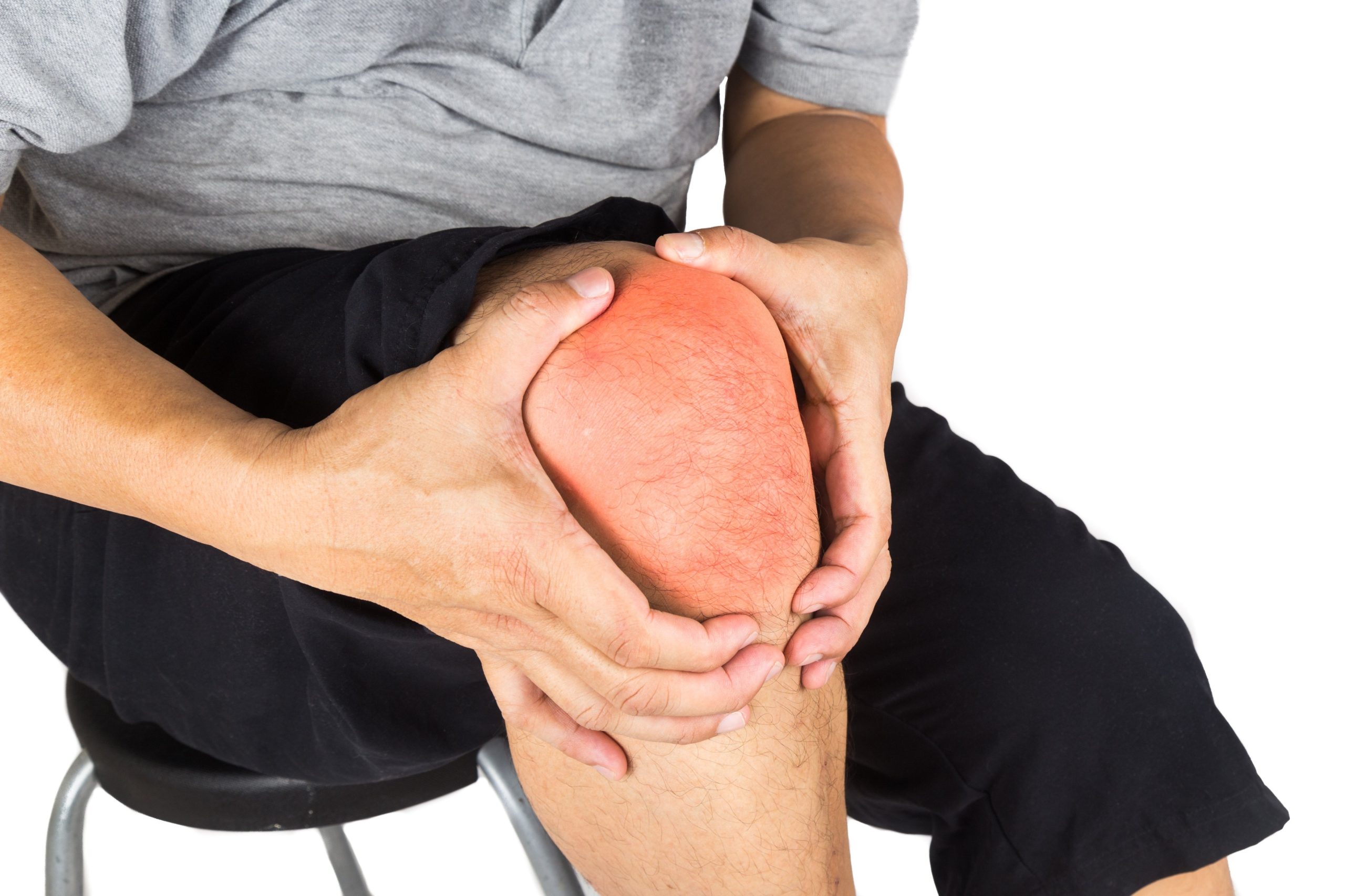

Knee arthritis is a progressive condition that wears down the protective cartilage in your joints, leading to stiffness, swelling, and significant pain. For many Indian patients, this joint pain makes simple activities like walking, climbing stairs, or bending extremely difficult.
However, not all knee arthritis damages the entire joint. In many cases, the wear and tear is isolated to just one compartment of the knee. When this happens, a full joint replacement might be unnecessary. Instead, doctors often recommend a partial knee replacement to preserve healthy bone and ligaments.
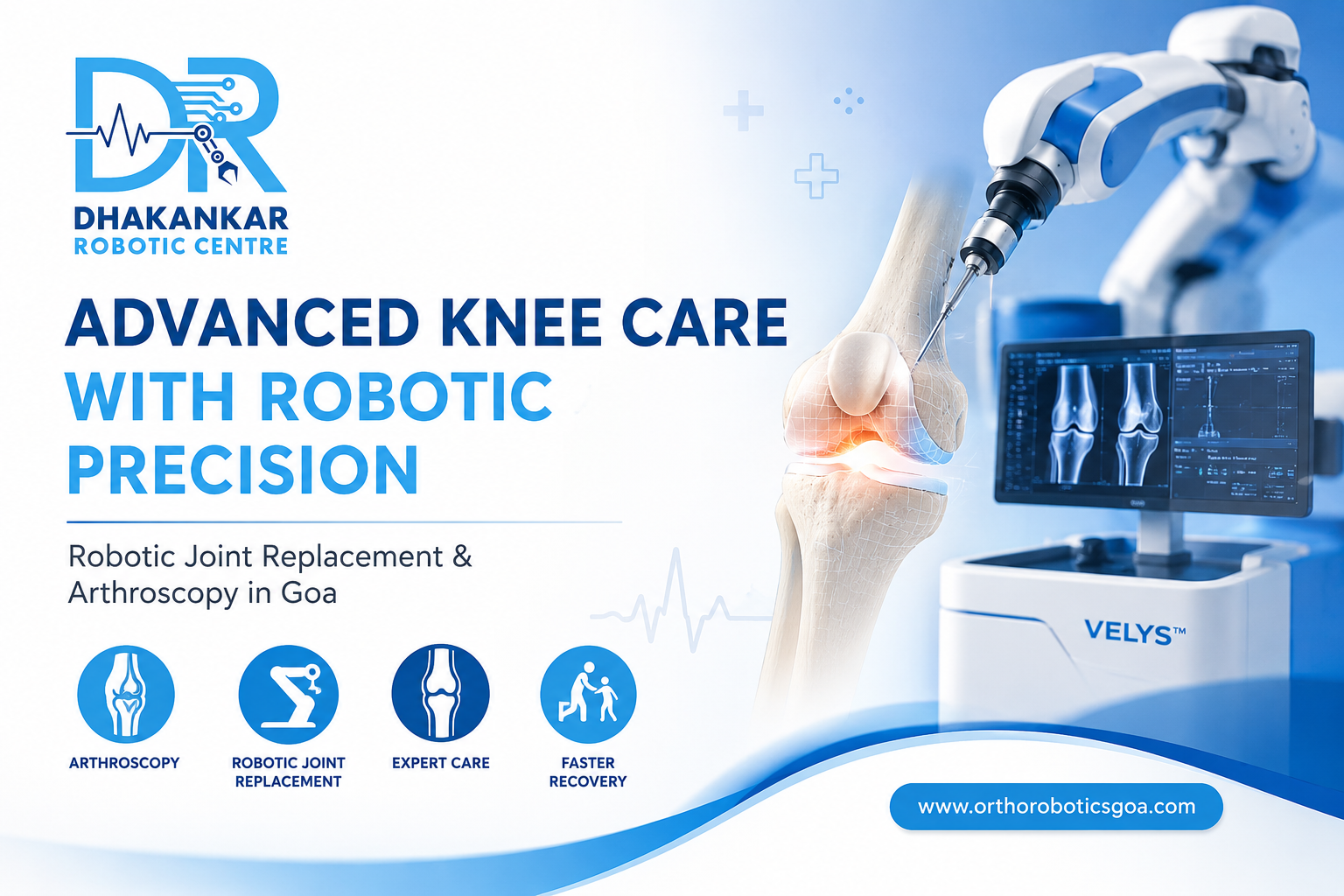
Today, medical technology has taken this targeted approach a step further with robotic-assisted technology. By combining surgical expertise with robotic precision, patients now have access to a highly accurate and minimally invasive solution.
What exactly is a robotic partial knee replacement?
A robotic partial knee replacement in Mumbai is an advanced surgical procedure designed to treat isolated knee arthritis. Instead of replacing the entire joint, the orthopedic surgeon only resurfaces the diseased portion of the knee, leaving the healthy cartilage and ligaments intact.
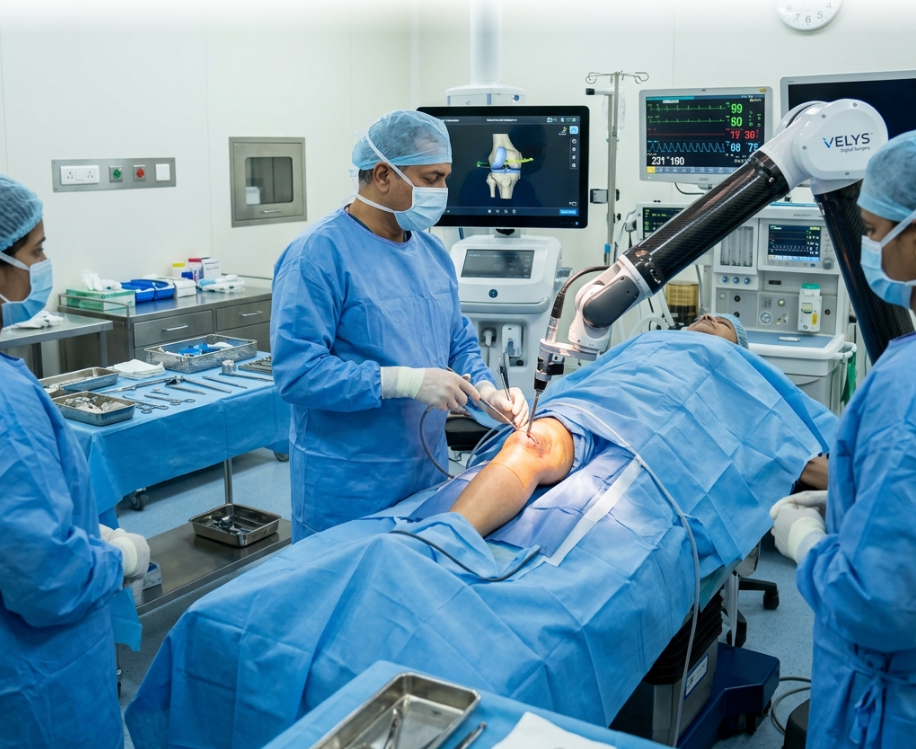
The primary difference between traditional and robotic surgery lies in the level of precision. Traditional methods rely heavily on the surgeon’s visual alignment and manual instruments. While effective, human vision has natural limits. Robotic-assisted knee replacement uses a computerized robotic arm to guide the surgeon. This technology provides real-time data, allowing the surgeon to execute cuts and place implants with sub-millimeter accuracy.
Who makes a good candidate for robotic partial knee replacement?
Not every patient requires a total knee replacement. You might be an ideal candidate for robotic knee replacement surgery in Mumbai if you meet the following criteria:
- Early to moderate knee arthritis: Your joint damage has not yet spread across the entire knee.
- Pain in only one compartment: You experience localized pain on either the inside (medial), outside (lateral), or front (patellofemoral) of the knee.
- Good ligament function: Your anterior cruciate ligament (ACL) and other supporting ligaments are still healthy and stable.
- Active lifestyle: You want to return to physical activities, light sports, or a busy daily routine quickly.
A qualified orthopedic specialist will thoroughly evaluate your X-rays and medical history to determine if this targeted approach is right for your specific condition.
What are the main robotic knee surgery benefits?
Choosing a robotic-assisted approach offers several distinct advantages for patients seeking advanced knee replacement treatment. These benefits include:
- Greater surgical accuracy: The robotic system prevents the surgical instrument from moving outside a pre-defined area, protecting healthy bone and surrounding tissues.
- Smaller incision: Because the procedure is highly targeted, surgeons can use smaller incisions, resulting in less visible scarring.
- Less blood loss: Minimally invasive techniques naturally lead to reduced bleeding during the operation.
- Faster recovery: Preserving healthy tissue and ligaments means your body has less trauma to heal from, allowing you to get back on your feet sooner.
- Better implant positioning: Exact alignment reduces uneven wear on the new joint, which can improve the longevity of the implant.
- Improved long-term outcomes: Patients frequently report that a partial replacement feels more like a “natural” knee than a total replacement.
How does the robotic-assisted procedure work?
Understanding the steps of robotic orthopedic surgery in Mumbai can help alleviate pre-surgery anxiety. The process generally follows these stages:
Pre-surgery planning
Before you enter the operating room, your surgeon will order specialized scans of your knee. The software uses these scans to build a customized surgical plan tailored to your unique anatomy.
3D imaging
The robotic system generates a highly detailed 3D model of your joint. This digital map allows the surgeon to visualize the exact size and placement of the implant before making a single incision.
Robotic assistance during surgery
During the procedure, the surgeon controls the robotic arm. The system provides visual, auditory, and tactile feedback. If the tool moves close to the boundaries of the planned surgical area, the robotic arm will automatically stop, ensuring the healthy parts of the knee remain untouched.
Implant placement
Once the damaged bone is carefully removed, the surgeon secures the artificial implant into place. The robotic system confirms the alignment, ensuring the knee joint moves smoothly and naturally.
What is the recovery process after robotic partial knee replacement?
One of the biggest advantages of this procedure is the accelerated healing timeline.
- Hospital stay: Most patients stay in the hospital for just 1 to 2 days. Some individuals may even qualify for an outpatient procedure, allowing them to go home the same day.
- Walking after surgery: You will likely be encouraged to stand and take light steps with a walker or crutches within hours of waking up from surgery.
- Physiotherapy: A dedicated physical therapy routine is crucial. Exercises will focus on restoring your range of motion and rebuilding muscle strength around the knee.
- Return to normal activities: Many patients resume daily activities, such as driving and light work, within 3 to 4 weeks, which is significantly faster than traditional total knee replacement recovery.
How much does robotic partial knee replacement cost in Mumbai?
The cost of robotic partial knee replacement in Mumbai varies based on several specific factors. Generally, you can expect the price to reflect the advanced technology used during the procedure. Key variables affecting the final cost include:
- Technology used: Hospital facilities equipped with state-of-the-art robotic systems typically charge higher fees for the use of this specialized equipment.
- Hospital facilities: Premium private hospitals with private recovery rooms and dedicated orthopedic wards will cost more than standard medical centers.
- Surgeon’s experience: Fees will vary depending on the expertise and reputation of the partial knee replacement surgeon in Mumbai.
- Implant type: The brand and material of the specific implant chosen for your knee also influence the total surgical bill.
During your initial consultation, the hospital’s billing department can provide a detailed estimate based on your specific medical needs and insurance coverage.
Why should patients choose Mumbai for robotic knee surgery?
Mumbai has established itself as a premier destination for healthcare in India, particularly for complex orthopedic procedures. The city offers highly advanced hospitals equipped with the latest modern robotic systems. Furthermore, patients have access to some of the most experienced orthopedic surgeons in the country, backed by a quality healthcare infrastructure that meets international standards. Patients traveling from other cities or countries often find that Mumbai offers exceptional medical care paired with accessible post-operative rehabilitation services.
Why trust Dr. Kunal Patel for your robotic partial knee replacement in Mumbai?
When considering knee arthritis treatment in Mumbai, selecting the right surgeon is the most important decision you will make. Dr. Kunal Patel is widely recognized as a top-tier knee replacement surgeon in Mumbai.
Dr. Patel combines years of specialized orthopedic experience with extensive training in advanced robotic technology. He adopts a highly patient-centric approach, ensuring that every treatment plan is personalized to the individual’s lifestyle goals and medical history. By focusing on meticulous surgical precision and comprehensive post-operative care, Dr. Kunal Patel consistently delivers outstanding clinical results for his patients.
Frequently Asked Questions (FAQs)
Is robotic partial knee replacement better than traditional surgery?
For eligible patients, robotic partial knee replacement is often considered superior to traditional surgery. The robotic assistance provides higher accuracy in bone removal and implant placement, which leads to smaller incisions, reduced tissue damage, and a more natural-feeling joint.
How long does recovery take?
Recovery from a robotic partial knee replacement is typically faster than a total joint replacement. Most patients can walk with support on the same day as the surgery and return to routine daily activities within 3 to 4 weeks. Full recovery and a return to more strenuous activities usually take a few months.
Is robotic knee replacement painful?
All surgeries involve some level of post-operative discomfort. However, because robotic surgery is minimally invasive and preserves healthy tissue, patients generally experience significantly less pain compared to traditional knee replacement methods. Medications and ice therapy effectively manage early recovery pain.
How long does the partial knee implant last?
Modern partial knee implants are highly durable. With accurate robotic placement and proper patient care, a partial knee implant can easily last 15 to 20 years. Maintaining a healthy weight and avoiding high-impact sports can help extend the life of the implant.
What is the success rate of robotic partial knee replacement?
Robotic partial knee replacements have a very high success rate, often exceeding 90%. Patients regularly report high satisfaction levels due to significant pain relief, restored joint function, and the rapid return to an active lifestyle.
Take the Next Step Toward a Pain-Free Life
Robotic partial knee replacement offers a precise, effective, and minimally invasive solution for localized joint arthritis. By preserving your healthy bone and ligaments, this advanced procedure provides a faster recovery, less post-operative pain, and an implant that feels like a natural part of your body.
If joint pain is stopping you from enjoying your daily life, it is time to explore your options. Schedule a consultation with Dr. Kunal Patel today to find out if robotic-assisted Robotic total knee replacement in Mumbai is the right choice for your active future.

- Knee Pain Treatment Chandigarh: Causes, Treatment Options, and When to See a Specialist - August 20, 2026
- Arthroscopy Surgeon Goa: A Guide to Knee Arthroscopy and Robotic Joint Replacement - August 12, 2026
- Bathroom Accessories Chandigarh: Upgrade Your Bathroom with Stylish & Quality Fittings - August 11, 2026
