



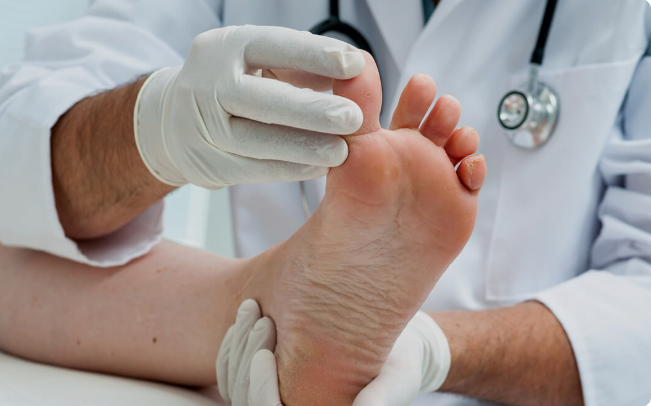
If you are looking for reliable diabetic foot treatment in Mohali, Gini Health is a trusted choice. Managing diabetic foot ulcers and related complications requires expert care and a dedicated approach, which Gini Health provides through its specialized diabetes care team.
Located in Mohali, Gini Health offers comprehensive services that emphasize early diagnosis, personalized treatment plans, and continuous monitoring of blood sugar levels to prevent severe complications. With experienced doctors and diabetes specialists in Chandigarh skilled in advanced diabetic foot ulcer treatment near me, Gini Health is dedicated to helping patients achieve effective recovery and maintain optimal foot health. Whether you are in Mohali, Chandigarh, or nearby areas such as Zirakpur and SAS Nagar, Gini Health’s accessible healthcare and committed team ensure prompt and holistic care for diabetic patients dealing with foot ulcers and other diabetes-related challenges.
The Importance of Early Diagnosis in Diabetic Foot Care
Understanding the Risk Factors
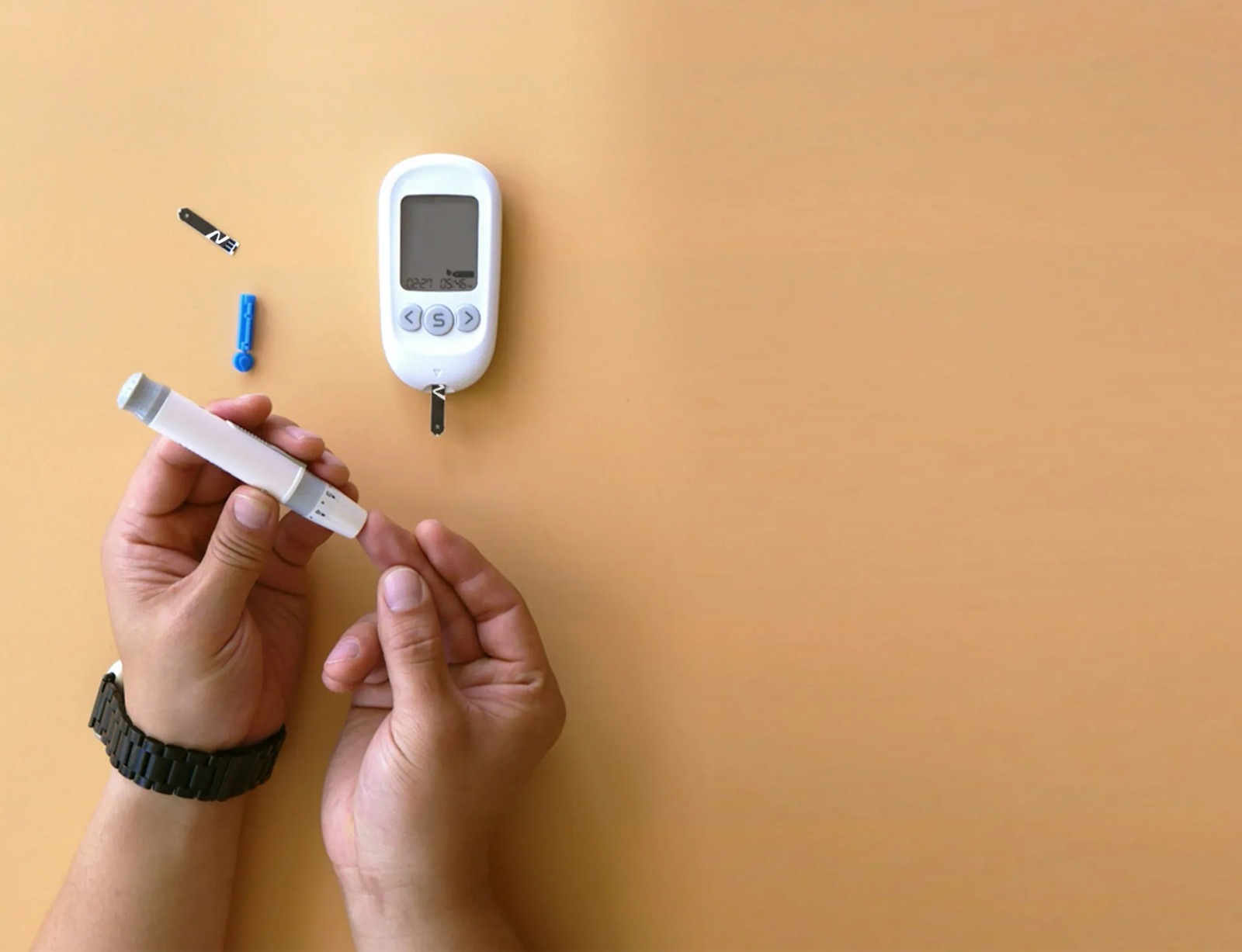
Early diagnosis of diabetic foot ulcers is essential as it helps identify risk factors before severe complications develop. Key risk factors include poor blood circulation, nerve damage (neuropathy), and high blood sugar levels, which impair the body’s ability to heal wounds. Diabetes patients with reduced sensation in their feet may not notice injuries, allowing them to worsen without timely intervention.
Conditions such as foot deformities, prolonged pressure, and infections further increase the risk of ulcers and potential amputations. Identifying these risk factors early enables healthcare providers in Mohali and nearby areas to develop customized treatment plans that address these specific issues, minimizing damage and improving recovery outcomes.
Regular Screening and Check-Ups
Regular foot screenings and medical check-ups are vital for effective diabetic foot care. Routine examinations by expert diabetes specialists in Chandigarh and Mohali, including endocrinologists in Chandigarh and foot care teams at hospitals like Gini Health, can detect subtle changes that may signal early ulcer formation.
These screenings typically involve evaluating foot sensation, blood flow, and pressure points. Patients are also encouraged to perform daily self-checks and promptly report symptoms such as redness, swelling, or unusual drainage. Consistent monitoring facilitates early intervention, preventing foot ulcers from advancing, reducing the risk of infections or amputations, and promoting better long-term health outcomes.
Advanced Treatment Options Available in Mohali
Use of Modern Technology
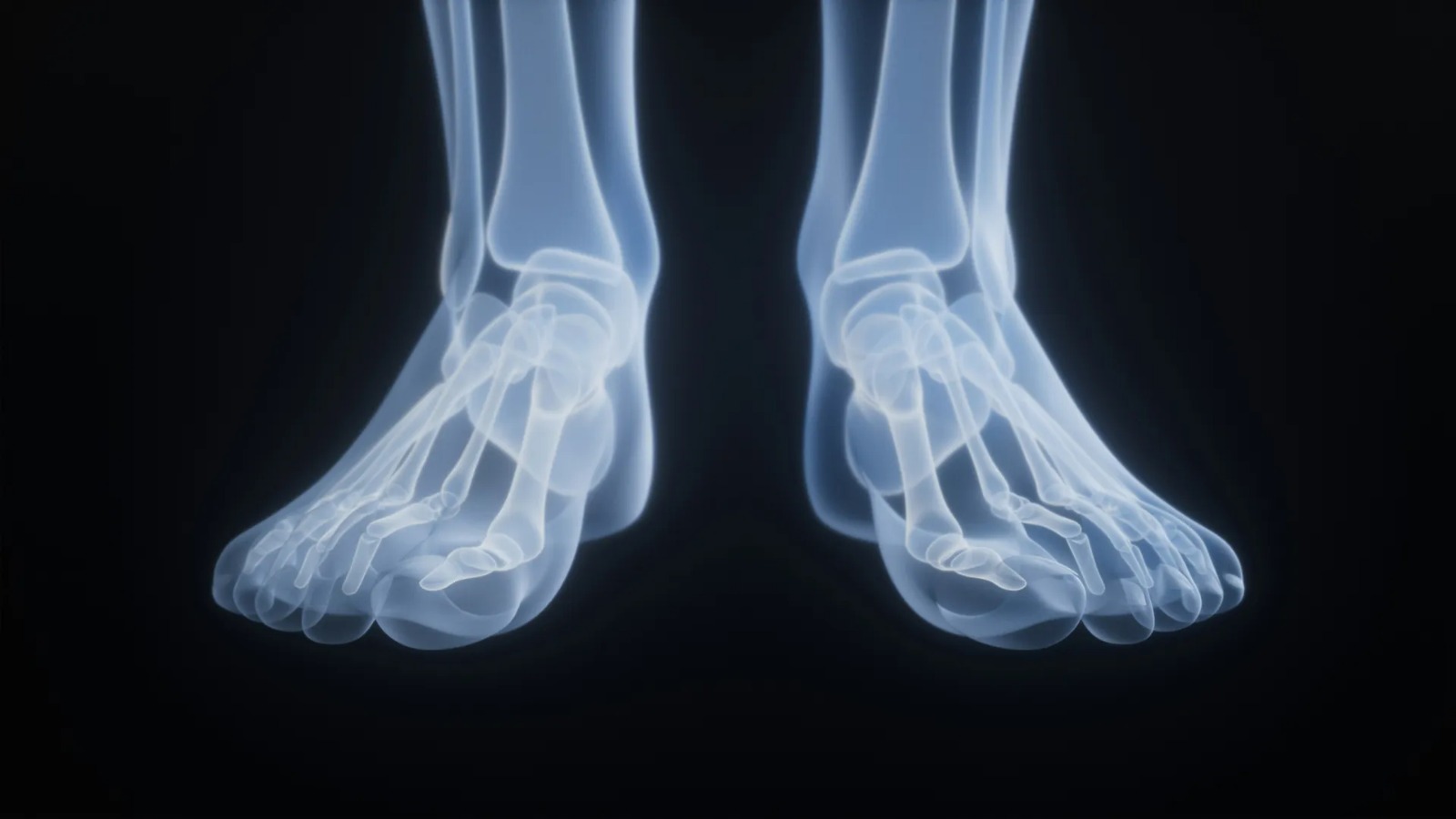
Mohali boasts state-of-the-art medical facilities that integrate modern technology to treat diabetic foot ulcers effectively. Hospitals and specialized centers in the region utilize advanced imaging techniques like MRI and ultrasound to gain detailed insights into foot structure and vascular health, aiding in precise diagnosis and treatment planning.
Moreover, cutting-edge surgical methods, such as minimally invasive procedures and regenerative medicine—including platelet-rich plasma (PRP) therapy—are increasingly employed to promote faster healing and reduce complications. Customized orthotics, designed using 3D printing technology, further enhance patient care by offering personalized support tailored to specific foot needs.
Telemedicine also plays a vital role, enabling continuous monitoring and consultations with diabetes specialists in Chandigarh and Mohali. This makes expert diabetic foot ulcer treatment near me more accessible for patients in and around the Mohali region.
Integrative Medical Approaches
The effective management of diabetic foot ulcers in Mohali involves an integrative approach that combines multiple disciplines to provide comprehensive care. Diabetes specialists, endocrinologists, vascular surgeons, podiatrists, and wound care experts work collaboratively as a dedicated team to address the complex needs of diabetic patients.
In addition to advanced surgical interventions, treatment programs often include strict blood sugar management, infection control, nutritional support, and physiotherapy to enhance recovery. This multidisciplinary model, offered by top hospitals such as Shivalik Hospital and the Gini Health team, ensures personalized care for each patient, aiming to prevent ulcer recurrence while optimizing overall health and mobility.
Best Practices for Effective Recovery

Personal Care and Hygiene
Recovering from a diabetic foot ulcer requires meticulous personal care and hygiene. Ensure your feet are clean by washing them daily with lukewarm water and mild soap. After washing, gently dry your feet, paying extra attention to the areas between your toes, as this helps prevent infections.
Regularly inspect your feet for signs of injury, redness, or swelling. Identifying wounds early can help you avoid serious complications. Additionally, wearing well-fitted and protective footwear reduces pressure points and protects against new ulcers.
Avoid walking barefoot to minimize the risk of injuries. Maintaining tight control over your blood sugar levels during the recovery period significantly aids in faster healing and reduces the likelihood of infections.
Rehabilitation and Ongoing Care
Recovery is also enhanced by a structured rehabilitation plan and continuous care. Off-loading techniques, such as using specialized braces, casts, or footwear, are essential for relieving pressure on affected areas and promoting proper wound healing.
In Mohali, diabetic patients can benefit from expert care provided by doctors and medical teams at hospitals like Gini Health. These facilities offer guidance on rehabilitation, regular follow-ups, and wound care management. Rehabilitation may also include physiotherapy to restore mobility and prevent further deformities.
Ongoing monitoring by endocrinologists and diabetes specialists ensures blood sugar levels remain stable. Additionally, continuous education on foot care habits empowers you to prevent recurrence of foot ulcers.
This comprehensive, multidisciplinary approach is essential for effective recovery and maintaining long-term foot health.
Conclusion
Effectively managing diabetic foot treatment in Mohali starts with early diagnosis, which is essential for identifying risk factors and preventing severe complications. In Mohali, cutting-edge treatments utilizing modern technology and integrative care approaches provide personalized and comprehensive diabetic foot care.
Additionally, maintaining personal hygiene and committing to sustained rehabilitation are essential for successful recovery and preventing recurrence. If you or someone you know is dealing with diabetic foot issues, it is important to seek expert care promptly from specialists and hospitals in Mohali, such as Gini Health. Regular check-ups, blood sugar management, and proper foot care should be prioritized to safeguard your health and mobility, ensuring long-term benefits.
FAQ
What are the key steps for early diagnosis of diabetic foot complications in Mohali?
Key steps for early diagnosis of diabetic foot complications in Mohali include:
- Systematic annual foot exams assessing neurological, vascular, dermatological, and musculoskeletal status.
- Inspecting for ulcers, erythema, swelling, warmth, and drainage.
- Performing a probe-to-bone test for osteomyelitis.
- Using imaging techniques such as X-rays or MRI if needed.
- Conducting vascular assessments to evaluate blood flow.
- Classifying infection severity to ensure timely referral to specialists.
Additionally, patient education on daily foot checks and proper foot care is essential.
What are the most effective treatments available for diabetic foot ulcers to ensure faster recovery?
The most effective treatments for diabetic foot ulcers include:
- Rigorous wound care using advanced dressings like hydrogels and skin substitutes.
- Maintaining strict glycemic control.
- Performing surgical debridement when necessary.
- Revascularization for ischemic ulcers.
- Utilizing adjuvant therapies such as growth factors, negative pressure wound therapy, and hyperbaric oxygen therapy.
Custom footwear and multidisciplinary care are also essential to optimize healing and reduce recurrence.
How can patients with diabetes prevent foot ulcers and maintain healthy feet through daily care?
To prevent foot ulcers and maintain healthy feet, patients with diabetes should:
- Inspect and wash their feet daily.
- Keep their feet moisturized, avoiding application between the toes.
- Always wear properly fitting protective footwear and avoid walking barefoot.
- Trim nails straight and carefully.
- Manage blood glucose levels effectively.
- Seek regular foot screenings and professional care for callus removal and general foot health maintenance.
When should one seek medical attention for diabetic foot problems to avoid serious complications?
Seek immediate medical attention for diabetic foot problems if you experience:
- Signs of infection such as redness, warmth, swelling, tenderness, or drainage.
- Ulcers, gangrene, or non-healing wounds.
- Severe pain, necrosis, or reduced circulation.
Early consultation is critical for infected ulcers, moderate or severe infections, and other symptoms to avoid serious complications, including amputation.

- Leading CA Firm in Chandigarh for Corporate and Individual Services - February 3, 2026
- IVF Specialist in Panchkula – Advanced Fertility Care with High Success Rates - February 3, 2026
- Best Chest Specialist in Chandigarh for Personalized Chest and Lung Care - January 29, 2026
